MEWP, AWP, man lift or cherry picker: what the names mean
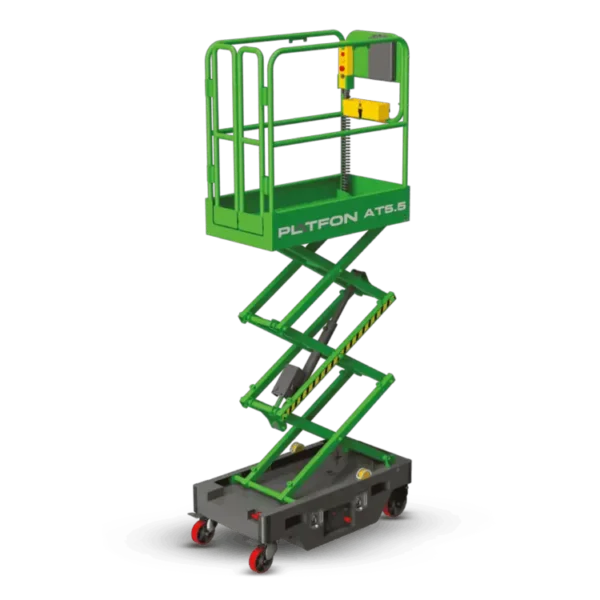
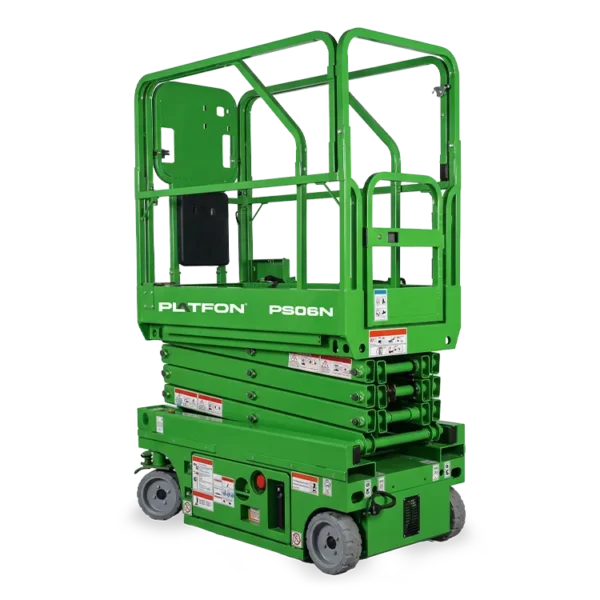
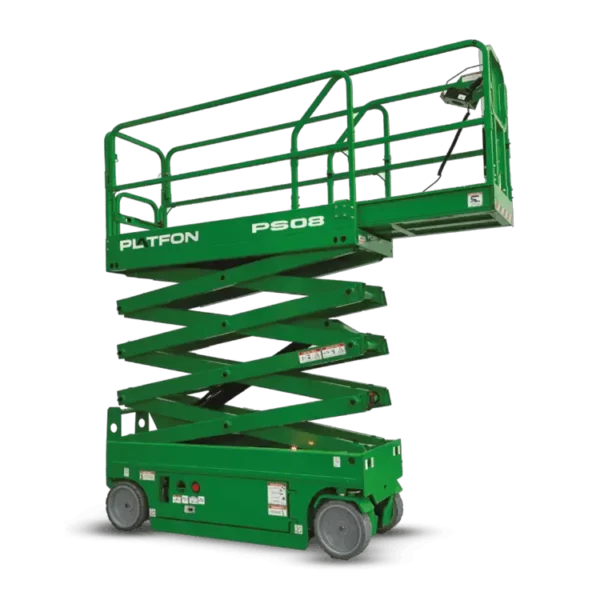
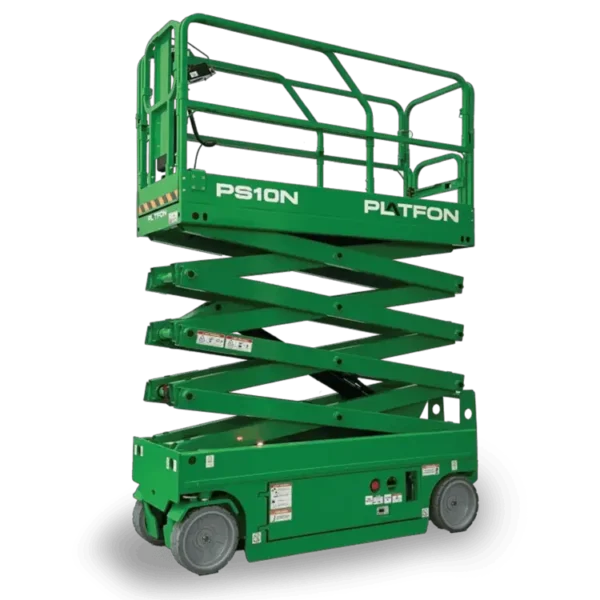
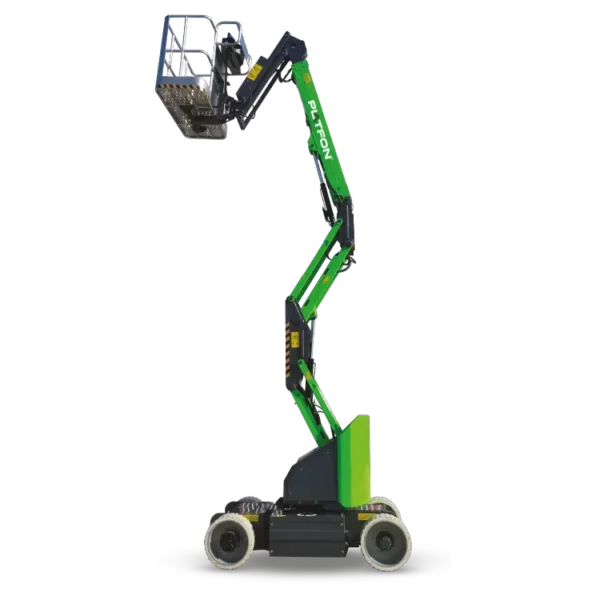
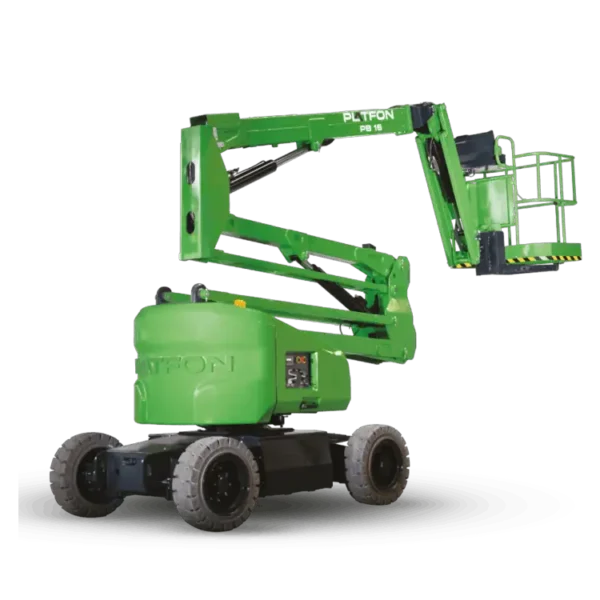
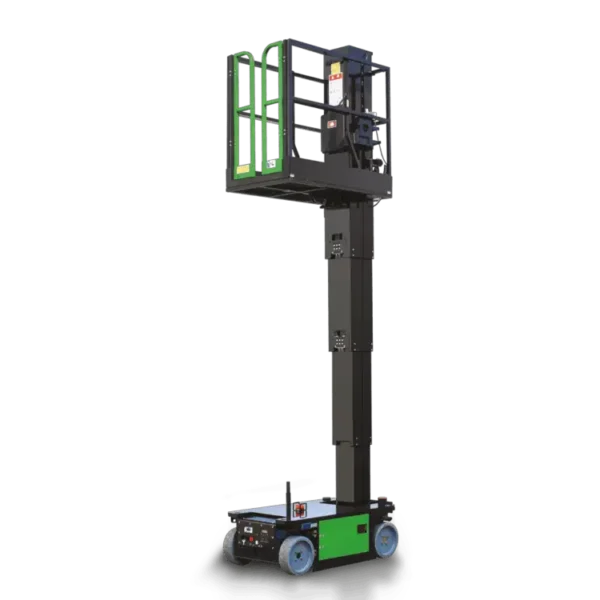
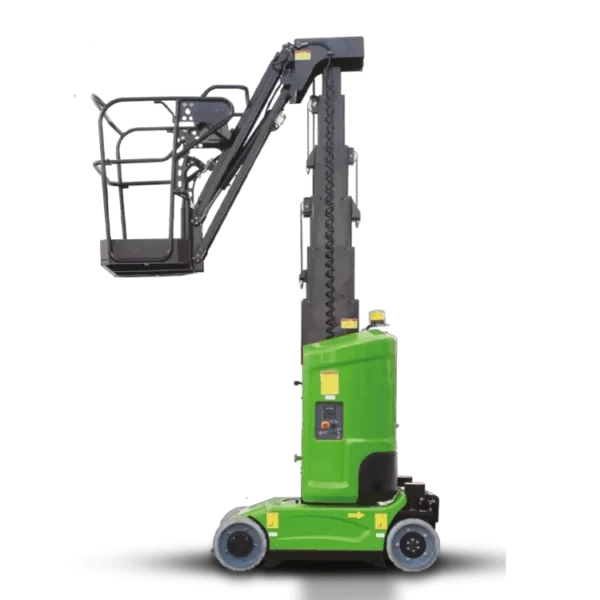
A mobile elevating work platform (MEWP) lifts people, together with their tools and materials, to a temporary work position at height. It has three main parts: a guarded work platform, an extending structure such as a scissor stack, boom or mast, and a chassis. MEWP is the term used in UK and European standards and by IPAF, and the current ANSI A92 standards in North America have adopted it too.
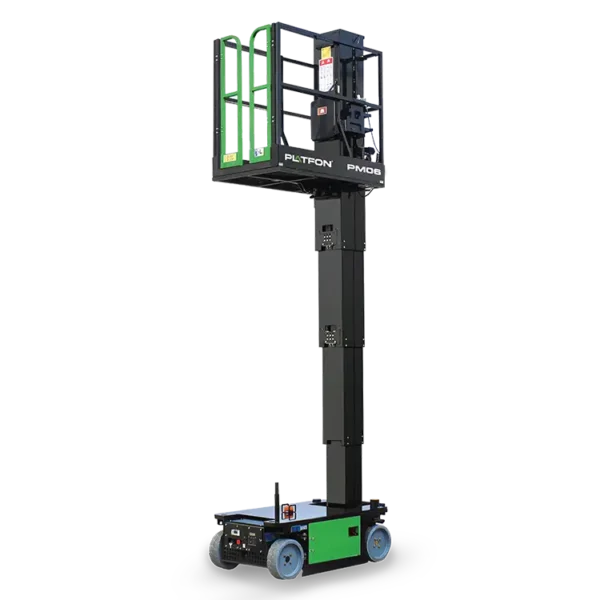
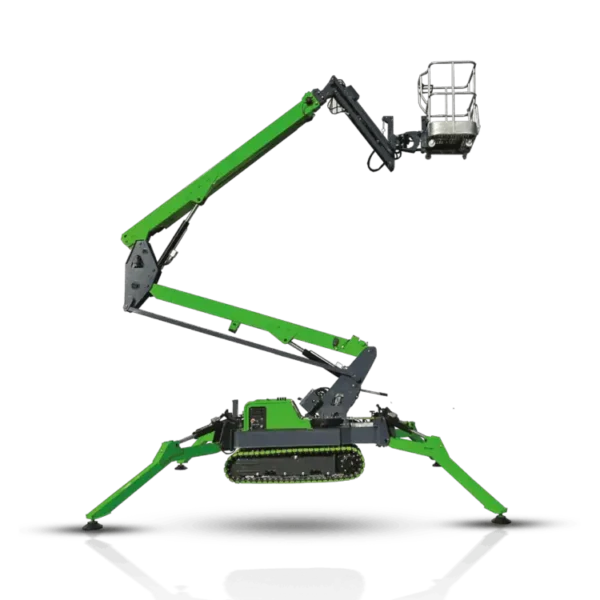
In the US, aerial work platform (AWP) is still the everyday trade term, while OSHA regulations speak of aerial lifts. Buyers in the Gulf, Asia and many export markets say man lift for almost any machine that raises personnel, and sometimes specifically for a one-person vertical lift. In the UK and Ireland, cherry picker usually means a boom-type platform; the name goes back to early vehicle-mounted machines, but it is now used loosely for self-propelled booms as well.
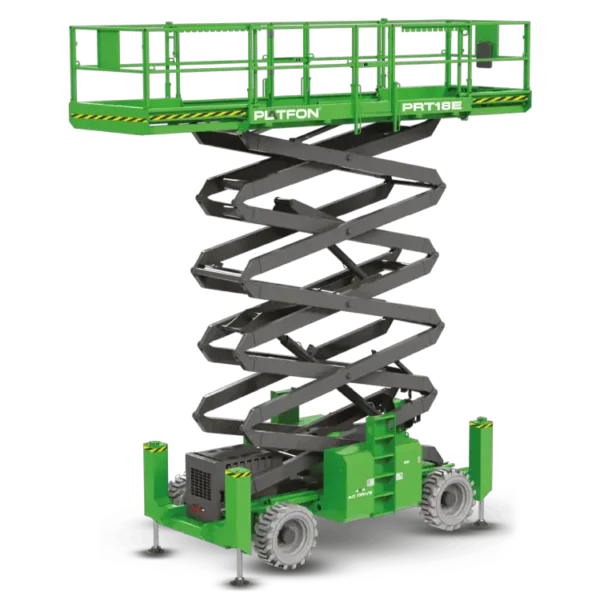
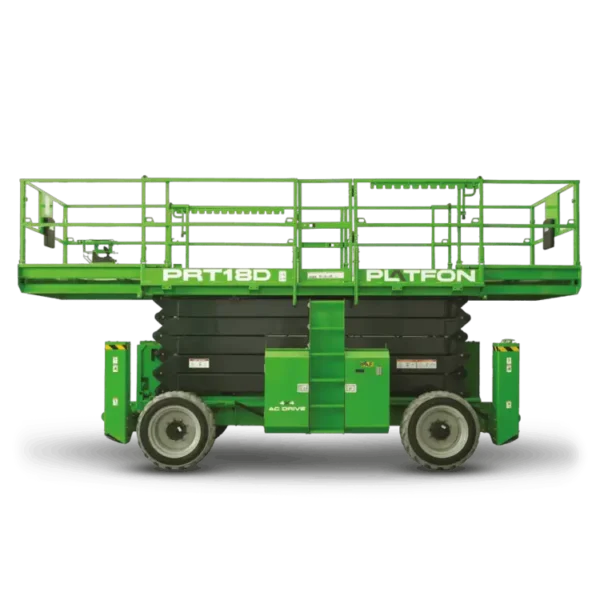
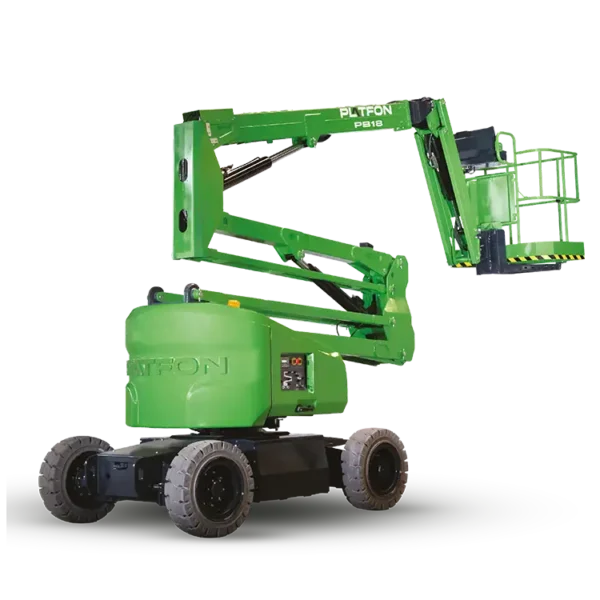
Because the names overlap, a tender for an aerial lift and one for a MEWP may describe the same machine, so the specification matters more than the label. Standards also sort machines into groups: Group A platforms, such as scissor and vertical mast lifts, keep the platform within the tipping lines, while Group B machines, the booms, can reach beyond them. Types 1 to 3 describe whether, and from where, a machine may be driven while raised.
Safe use: training, fall protection and site limits
Every operator needs training for the machine category plus familiarization on the specific model before first use. In the UK and much of Europe the IPAF PAL Card is the usual proof of training; in the US, OSHA makes the employer responsible for training, and ANSI A92.24 describes what it should cover. Supervisors and the ground crew who would carry out a rescue need to know the plan as well.
On boom-type platforms, a full-body harness with a short restraint lanyard clipped to the designated anchor point is standard practice. On scissor and mast lifts the guardrails are the primary protection, and a harness is worn where the manual, site rules or the risk assessment call for it. Whatever general guidance says, the operator manual of the machine always takes precedence.
- Carry out a pre-use inspection and function test, including emergency stop and emergency lowering, before every shift
- Check the floor or ground bearing capacity and look for slopes, holes, trenches and soft spots
- Never exceed the rated load or the number of persons shown on the capacity plate
- Stay within the wind rating on the data plate; indoor-only machines must not be raised outdoors
- Keep a trained person on the ground who can lower the platform in an emergency